How Medical Device Connectivity Can Help Deliver Real Clinical Impact
Medical device connectivity goes by many names — including medical device integration or interoperability. While terminology may differ, it generally refers to a digital health technology’s ability to share information with other technologies, either from the same vendor or a third party1.
While we often think of connectivity in the context of healthcare IT, it is equally important from a clinical perspective — if not more so. How can the right connected medical devices help you support clinical decision-making and initiatives focused on real-world healthcare outcomes? Our clinical informatics expert shares four examples.
How Connected Medical Devices Can Help You Focus On Fall Prevention
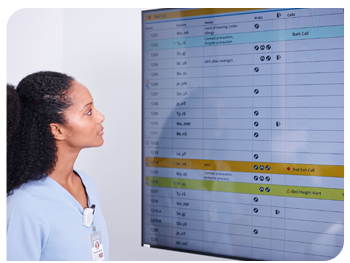
Patient fall risk levels can change quickly in a dynamic care setting. According to the Joint Commission, patient falls have been the leading sentinel event type reviewed since 2019 — with contributors including failure to follow policies (e.g., fall risk assessments) and inadequate staff-to-staff communication during handoffs or transitions of care.2 How can connected medical devices help clinicians stay informed on fall risk data?
“Device connectivity can help bridge the gap in awareness between a patient in the room and a nurse down the hall,” says Mary Reagan-Zingler BSN, RN, Senior Manager, Enterprise Strategy & Informatics. Medical device connectivity solutions can help support fall prevention efforts and safe mobility protocols in many ways, including:
- Automated fall risk charting, making it easier for clinicians to accurately document patient risk levels quickly and easily — even through voice-activated commands
- Dynamic status boards displaying timely data ranging from patient risk assignments to bed status data (e.g., side rail, bed positions and patient presence in bed)
How Connectivity Can Help Streamline Vital Sign Documentation and Support Decision-Making
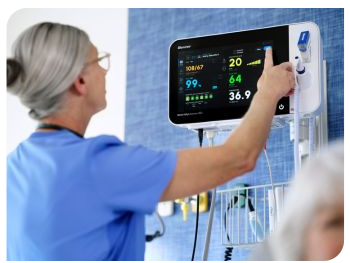
According to a 2022 report from the U.S. Surgeon General, nurses spend up to 41% of their time on electronic health records and documentation.3 Since vital sign checks are frequent tasks for nurses, EMR-connected medical devices present strong opportunities to support clinical efficiency and informed clinical decision-making.
“Safe, efficient patient care relies heavily on timely and simplified access to patient vital signs,” notes Reagan-Zingler. “Nurses rely on EMR connectivity to view vital signs in the EMR, assess trends and make critical clinical decisions, impacting their care and optimizing outcomes.”
How Smart Infusion Connectivity Can Help Prevent Medication Errors

Today’s infusion pumps can go a long way in helping clinicians prevent medication errors. However, IV infusion continues to be associated with 61% of serious and life-threatening medication errors.4 How can smart pump integration support medication error reduction?
EMR-connected smart pumps can make it easier to associate the pump with the patient and maximize auto-programming compliance.
“In reality, the majority of medication errors are preventable,” notes Reagan-Zingler. “When we rely on manual processes to ensure the right patient is receiving the right dose of the right medication at the right time, it’s too easy to make a mistake. The more we can turn to medical device connectivity to help clinicians automate those checks in an efficient way, the better off we all are."
How Device Connectivity Can Help Expand Access to Diagnostic Screenings and Exams in Primary Care

Connectivity matters when delivering care outside the hospital, too. One common example is found in primary care practices helping patients living with diabetes.
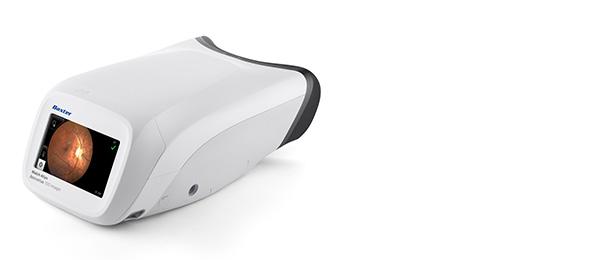
Diabetic retinopathy is the leading cause of vision loss in American adults.5 Early diagnosis is important to help reduce the risk of vision loss, but as many as 50% of patients are not having their eyes examined.5 With the right digital health technology in primary care, clinicians can conduct the exam, then have the images analyzed remotely by qualified specialists.
“In today's complex health delivery model, more and more patients are seeking care in outpatient settings,” says Reagan-Zingler. “This requires more savvy and cutting-edge connected diagnostic technology, historically found in specialist settings. Device connectivity supports the transferability of critical patient data to the collaborative care team and helps improve exam accessibility for patients who need it.”
Featured Contributor

Mary Reagan-Zingler, Sr. Manager Enterprise Strategy & Informatics | Baxter
Prior to joining Baxter, Mary worked as a Registered Nurse in the ICU, ER and Surgery at the University of Wisconsin for over 23 years. She then spent 14 years at other med tech companies holding positions in …Read Full Bio
Redefining Healthcare Delivery With Meaningful Connectivity
We often think of medical device connectivity as an activity that happens behind the scenes. But when connectivity priorities align with clinical initiatives, their impacts can be felt throughout every patient and care team interaction.
Get to know some of our connected solutions, then talk to your Baxter representative to find the support you need for your top clinical initiatives.
Frequently Asked Questions
+ What is medical device connectivity in healthcare? |
| Medical device connectivity (sometimes referred to as EMR interoperability or integration) refers to the ability of clinical devices like monitors, infusion pumps and other diagnostic tools to share data with electronic medical records (EMRs) or other technologies, either from the same vendor or a third party.1 The goals of the integration can range from supporting clinical decision-making to reducing documentation time. |
+ How can device connectivity help reduce medication errors? |
| When smart infusion pumps are connected to the EMR, they can make it easier to associate the pump with the patient and maximize auto-programming compliance. The goal is often to reduce the risk of infusion-related errors due to manual entry. |
+ What types of devices can be connected to the EMR? |
| Connected medical devices can include vital signs monitors, infusion pumps, ventilators, diagnostic imaging tools and others. These connected digital health systems and devices can transmit data to the EMR, helping to support clinical decisions and efficient workflows. |
+ Can connected medical devices help improve outpatient care? |
| Yes, device connectivity can support care outside the hospital by enabling remote diagnostics, data sharing and access to specialists. These can be important components of chronic condition management in primary care settings. |
+ Is Baxter a provider of connected care technology? |
| Yes, Baxter offers integrated medical devices that connect to EMRs to help enable patient safety efforts, realize staff and task efficiencies, strengthen care coordination and enhance the clinician and patient experience. Learn more about our connected care solutions here. |